
The year 2026 has brought a definitive end to the era of “cheap” cooling. As global temperatures continue to climb, our reliance on traditional HVAC systems has created a frustrating thermal feedback loop: the more we cool our buildings, the more we strain a grid that often still relies on the very carbon-heavy energy sources driving the heat. It is a mathematical dead end.
The Rising Cost of Staying Cool
Current data from the International Energy Agency suggests that cooling now accounts for nearly 20% of the total electricity used in buildings worldwide. In high-growth regions, that number is significantly higher, often peaking exactly when the grid is most vulnerable. For business owners and facility managers, this has translated into energy price volatility that makes standard operational budgeting feel like a game of chance.
The Grid Dependency Problem
The fundamental issue isn’t just the cost of electricity; it’s the thermodynamic inefficiency of the “grid-first” mindset. Traditional air conditioning is essentially fighting the sun using power generated miles away, lost through transmission lines, and delivered at a premium during peak hours. It’s the equivalent of trying to put out a fire with a garden hose that’s only turned on halfway.
A Logical Synergy: Heat Meets Light
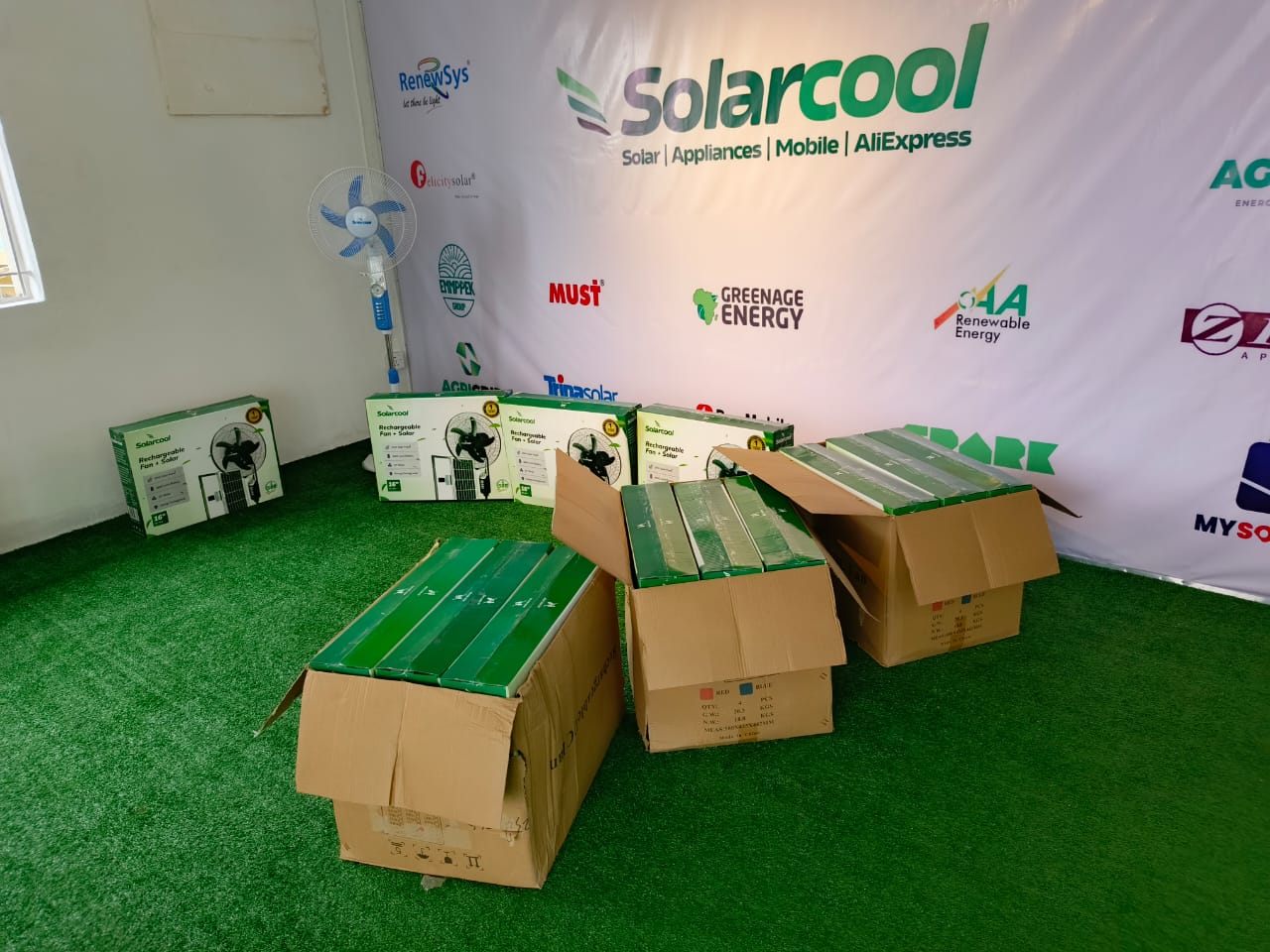
This is where the shift toward direct solar integration becomes less of a “green” luxury and more of a financial necessity. Modern systems are now bypassing the grid’s inefficiencies entirely. For instance, the technology utilized by Solarcool focuses on the logical synergy between heat and light—using the peak output of the sun to power the peak demand for cooling. By moving toward a Direct-DC or solar-thermal model, buildings can reduce their peak-demand charges to near zero.
Longevity and Operational ROI
From a data perspective, the transition isn’t just about reducing carbon footprints, though a 70–80% reduction in cooling-related emissions is a standard benchmark for these systems. The real story is the operational lifespan. By reducing the mechanical strain on compressors—which typically fail during the “brute force” hours of high-noon grid spikes—integrated solar cooling solutions are effectively extending equipment life by 30% or more.
The New Standard for HVAC
We are reaching a point where the choice to move off-grid for cooling is no longer a radical environmental statement. It is a pragmatic response to a changing climate and an increasingly expensive energy market. The math is simple: the sun provides the problem, and with the right integration, it provides the most efficient solution.