
For many Nigerians, a generator isn’t a backup anymore—it’s part of the daily routine. You hear the power go out. A few minutes later, the familiar hum begins. It’s become so normal that most of us barely think twice about it. But here’s a question that’s worth asking:
How much does running a generator really cost over a year?
Most people think about the price of petrol. Few consider the full picture. When you add together fuel, servicing, repairs, engine oil, and the appliances that still can’t stay on all day because fuel is expensive, the true cost becomes much higher than expected.
Nigerians are spending more just to keep the lights on
Electricity remains unreliable in many parts of the country, forcing millions of households and businesses to depend on generators for several hours a day.
At the same time, petrol prices have risen sharply over the past few years, turning what was once an occasional expense into one of the biggest monthly costs for many families.
For a household that runs a small generator for just a few hours every day, fuel alone can amount to tens of thousands of naira every month. Over a year, that’s money that could have gone towards school fees, groceries or household improvements.
Fuel isn’t the only expense
Generators also need regular maintenance.
Oil changes.
Spark plug replacements.
Air filter cleaning.
Repairs when parts wear out.
Then there’s the cost that doesn’t appear on a receipt: the constant noise, the fumes, and the inconvenience of stopping whatever you’re doing to refill the tank. These hidden expenses often make generators more expensive than people realise.
Not every appliance needs a generator
One of the biggest misconceptions is that every household appliance has to rely on a generator during a blackout.
In reality, some of the appliances we depend on most—like fans and freezers—can now be powered by solar energy. That changes the equation. Instead of burning fuel just to stay cool or keep food fresh, households can use the sun to power the appliances they use every day.
Why more Nigerians are looking beyond generators
Solar energy has become more accessible, and many families are starting with practical appliances rather than complete home solar systems. A solar fan provides comfort during the hottest hours of the day without consuming petrol. A solar freezer keeps food and drinks cold while reducing dependence on unreliable grid electricity.
For many households, it’s not about replacing the generator overnight. It’s about using it less often. Every hour the generator stays off is money saved on fuel and maintenance.
A smarter way to think about energy
The question isn’t whether generators will disappear.
For many Nigerians, they’ll remain part of everyday life for some time.
The better question is this:
Which appliances still need to depend on them?
By moving essential cooling appliances to solar, families can reduce running costs, enjoy greater peace of mind during outages and spend less time worrying about fuel.
Take your cooling off-grid
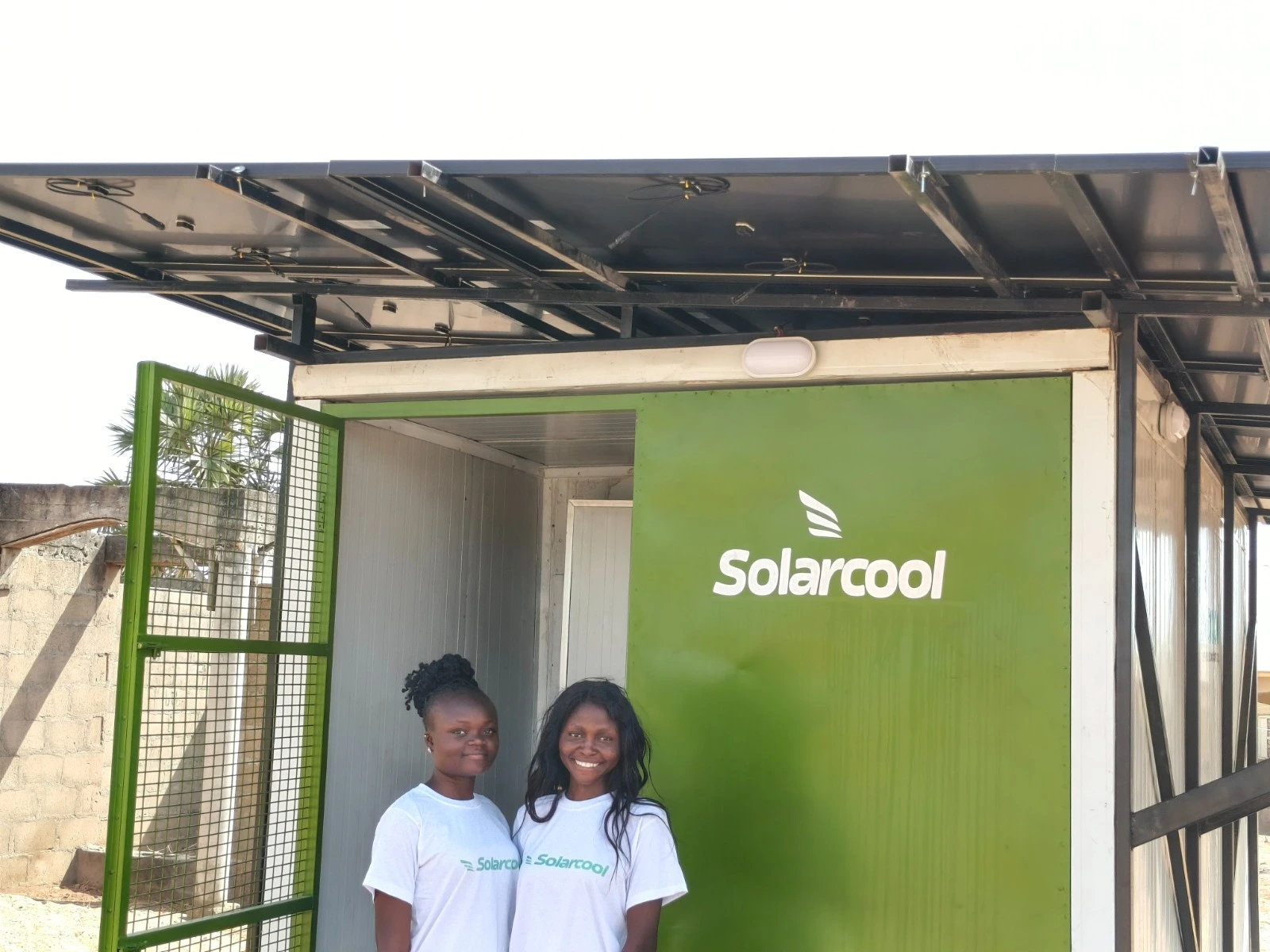
If you’re looking for a smarter way to stay cool during blackouts or keep food fresh without relying on a generator, Solarcool has a solution designed for Nigerian homes and businesses.
Our range of solar-powered fans and freezers helps you cut fuel costs, reduce your dependence on unreliable electricity and enjoy dependable cooling every day.
Explore Solarcool’s solar cooling solutions and see how you can take your cooling off-grid today.