
“Mummy, just buy one fish.” It’s a sentence you’ve probably heard in many Nigerian homes. Not because families suddenly prefer shopping every day, but because buying food in bulk has become riskier than it used to be. Food is expensive. Electricity is unreliable. And replacing spoilt groceries isn’t something many households can afford anymore. While inflation usually gets the blame, there’s another cost quietly shaping how Nigerians shop: the inability to store food confidently.
Nigerians are paying more for food than ever
Food inflation has remained one of the biggest contributors to Nigeria’s rising cost of living. For many households, staples like rice, frozen chicken, fish, tomatoes and cooking oil now consume a much larger share of monthly income than they did just a few years ago.
That has changed shopping habits. Instead of doing one large monthly shop, many families now buy only what they’ll cook in the next day or two. Not because it’s convenient. Because it’s safer.
The hidden cost of shopping in small quantities
Buying small feels cheaper. But over time, it often costs more. Imagine someone who buys one loaf of bread every two days because they’re worried about power cuts affecting other groceries. Or someone who buys frozen chicken meal by meal because they can’t rely on their freezer staying cold overnight.
Those repeated trips mean:
- more transport costs
- more impulse purchases
- less opportunity to buy when prices temporarily fall
- higher costs over an entire month
Sometimes the cheapest food isn’t the cheapest purchase. It’s the food you can safely keep.
Electricity has become part of every grocery bill
When people think about food prices, they usually picture the market. Few think about electricity. But keeping food fresh requires energy. When power disappears, households face difficult decisions. Should they cook everything immediately?
Should they throw it away? Should they spend more money running a generator? Every blackout quietly increases the real cost of groceries.
Nigeria’s food waste problem doesn’t stop at the farm
Much has been written about food lost before it reaches markets. Nigeria loses enormous quantities of food each year because of weak cold-chain infrastructure and inadequate storage. Experts estimate post-harvest losses cost the country trillions of naira annually, with highly perishable foods suffering the greatest losses.
But food waste also happens inside homes. A bag of frozen fish. A pot of soup. Fresh vegetables. One long power outage can undo hundreds of naira—or thousands—in a single afternoon.
What if the problem isn’t food prices alone?
Perhaps the bigger question isn’t:
“How can I buy cheaper food?”
Maybe it’s:
“How can I make the food I already buy last longer?” That’s a different conversation. One that starts with reliable cooling.
The households changing how they think about storage
Across Nigeria, more people are looking beyond generators as the only answer to unreliable electricity.
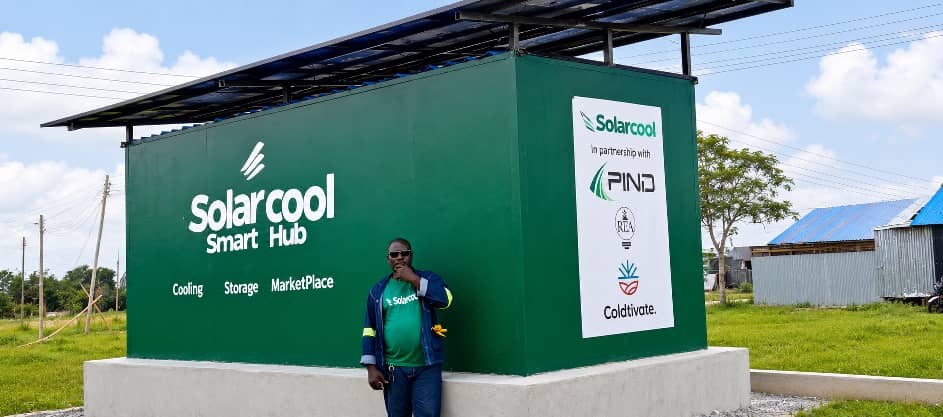
Solar-powered cooling has become increasingly attractive because it keeps essential appliances running without depending entirely on the grid or constantly buying fuel. Solar-powered cold storage is already helping reduce food losses and improve incomes in markets across Nigeria, showing how dependable cooling changes both businesses and households.
For many families, it isn’t about going completely off-grid. It’s about protecting the groceries they’ve already paid for.
Every naira saved is also a naira not wasted
Reducing waste isn’t always about spending less at the market. Sometimes it’s about losing less after you get home. Reliable cooling gives families more confidence to buy in bulk, preserve leftovers and avoid unnecessary repeat shopping trips. That’s why, at Solarcool, we believe cooling isn’t just about comfort. It’s about helping Nigerian households get more value from every grocery run.
Every Nigerian deserves the peace of mind that comes with reliable cooling—whether it’s keeping your family comfortable through the night or protecting the food you’ve worked hard to buy. Discover how Solarcool’s solar-powered fans and freezers can help you rely less on the grid and more on the sun. See how you can take your cooling off-grid today at Solarcool.