
If you’ve ever found yourself staring at your laptop, rereading the same sentence for the third time because the room is unbearably hot, you’re not alone.
In Nigeria, productivity isn’t just affected by deadlines or workload. Sometimes, it’s affected by something as simple as whether the electricity stays on long enough for a fan to keep running.
With rising temperatures and frequent power outages, staying comfortable has become a daily challenge for millions of Nigerians. But beyond the discomfort, there’s a growing body of evidence suggesting that heat can have a real impact on how well we think, work and learn.
Heat doesn’t just make you uncomfortable, it can affect how you think
Research has shown that higher indoor temperatures can reduce concentration, slow reaction times and make mentally demanding tasks more difficult. Whether you’re attending online meetings, studying for exams or managing a small business, a hot environment can make it harder to stay focused.
For Nigerians who already deal with unreliable electricity, that challenge is often compounded by the loss of cooling when the power goes out.
The cost of power outages goes beyond electricity bills
When people think about blackouts, they usually think about inconvenience.
But the effects often ripple into other parts of daily life.
A freelancer may lose productive hours because the room becomes too hot to work.
A student may struggle to study through the evening.
A shop owner may close earlier than planned because customers are uncomfortable.
And a family may lose sleep after a humid night without proper ventilation.
These aren’t isolated problems—they add up over weeks and months.
Staying cool has become part of staying productive
As more Nigerians work remotely, run businesses from home and rely on digital tools, keeping indoor spaces comfortable is becoming increasingly important.
That’s one reason more households are looking at solar-powered cooling solutions.
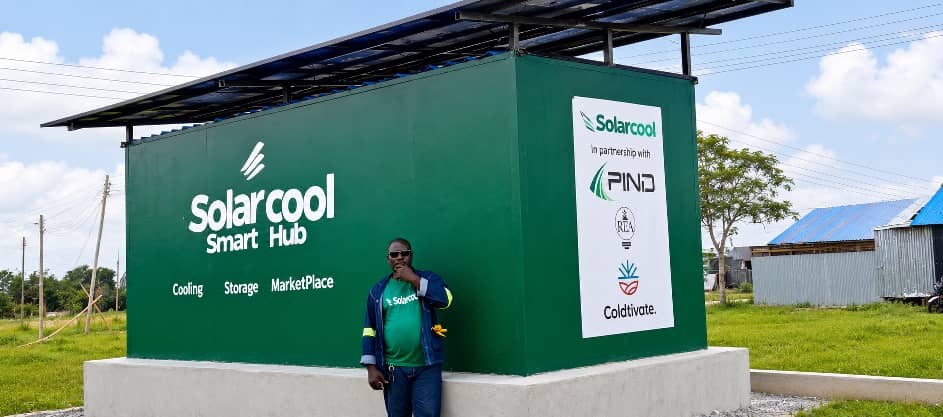
Unlike traditional cooling options that depend entirely on grid electricity, solar-powered fans continue working during daylight hours when they’re needed most. They reduce dependence on fuel-powered generators and help households stay comfortable even during prolonged outages.
It’s not just about work
Reliable cooling also affects everyday life.
Children find it easier to study.
Families sleep better at night.
Small businesses can create a more welcoming environment for customers.
Food stays fresher for longer with dependable refrigeration, reducing waste and giving families greater confidence to buy in bulk.
When you look at it that way, cooling isn’t simply about comfort. It’s about protecting your time, your energy and your household budget.
Looking ahead
Nigeria’s energy challenges won’t disappear overnight, but families and businesses don’t have to wait for perfect electricity before improving their quality of life.
Investing in reliable cooling is one practical step that pays dividends every day—whether you’re working, learning, running a business or simply trying to enjoy your home.
Ready to make every day more comfortable, even when the grid lets you down?
Explore Solarcool’s range of solar-powered fans and freezers, designed for Nigerian homes and businesses. Whether you want to stay productive during power cuts or keep your food fresh without relying on constant electricity, there’s a solution built for you.