
There is a small business in Nigeria that most people probably don’t think twice about.
Selling ice.
You see the blocks being loaded into wheelbarrows, tricycles and cars. You see traders buying them early in the morning. You see ice being dropped into coolers at parties, used to keep drinks cold or packed around fish and other perishables. It looks simple.
But there is a much bigger story hiding inside those blocks of ice. Ice is infrastructure. For thousands of businesses, it is one of the easiest ways to get access to cooling when reliable refrigeration isn’t available. And that makes the business behind it surprisingly important.
Someone has to make the cold
Consider what happens when a fish seller needs to keep their stock cold. They need cooling. A restaurant serving drinks needs cooling. An event planner needs cooling.
A retailer selling frozen products needs cooling. A food vendor transporting perishables needs cooling. When a business doesn’t have reliable refrigeration, ice becomes the bridge. This is one reason Nigeria has developed a large informal ecosystem around ice production and distribution.
And there are signs that this market is becoming more sophisticated.
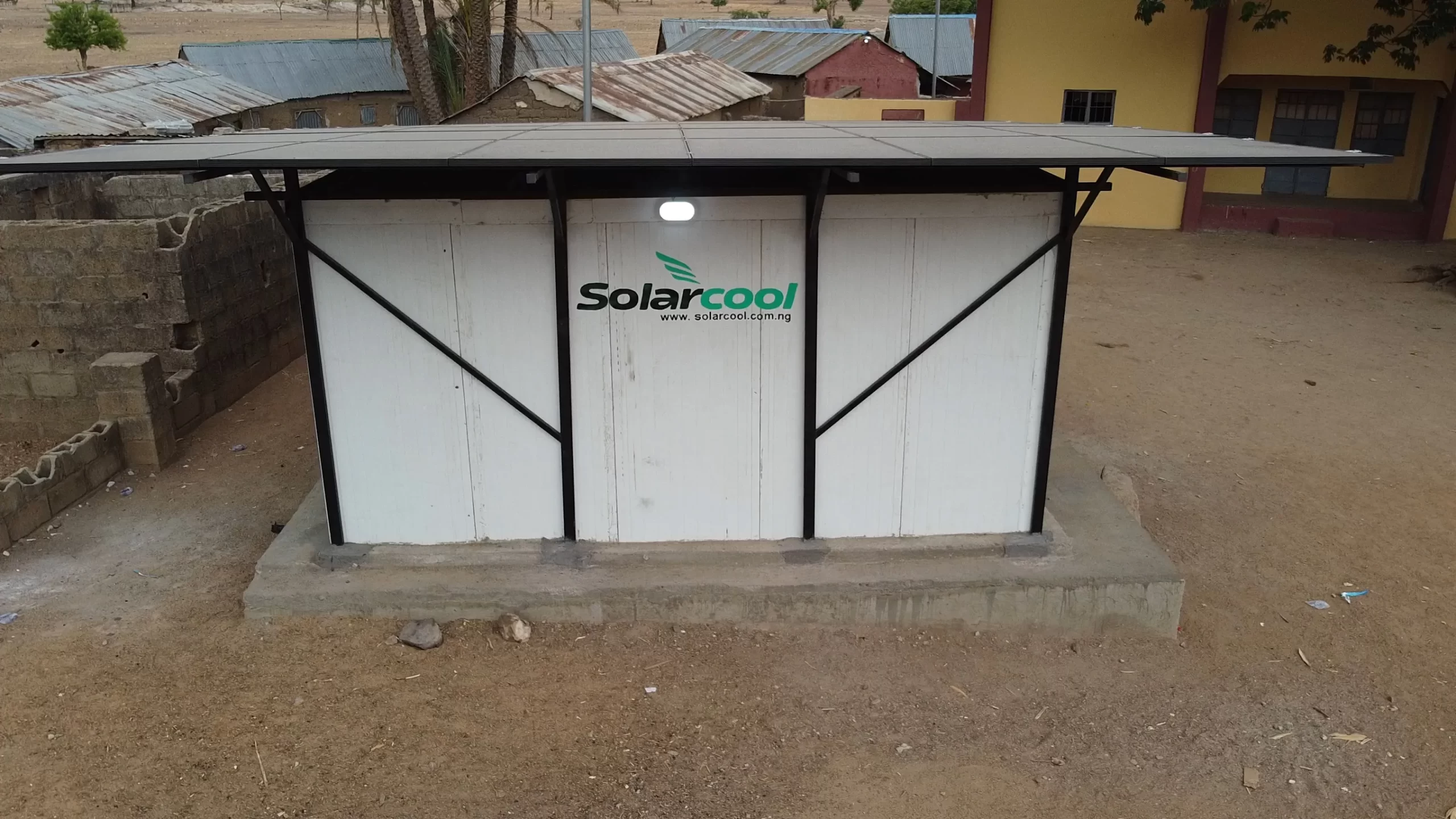
In April 2026, Nigeria’s News Agency reported on a solar-powered ice-block business in Nasarawa that had grown from producing around 12 blocks a day to between 48 and 50. The business also created a chain involving tricycle operators, traders and retailers who use the ice to cool drinks for sale.
That last part is particularly interesting. The person producing the ice isn’t necessarily the only person making money from it. The ice creates an entire little economy around itself.
The problem is that making ice needs a lot of energy
And this is where things get complicated.
You need electricity to freeze water. You need electricity to keep the ice frozen. You need somewhere to store it. Then you need transportation to get it to customers before too much of it melts.
For a business that relies on a generator, every part of that process can become more expensive. And if the power goes off while you’re producing ice, you’re not simply sitting in the dark.
Your inventory is literally melting. That’s a very different kind of business risk. A clothing seller can switch off the lights and continue tomorrow. An ice seller can’t afford the same luxury. The product itself has a countdown timer.
This is where solar starts to become interesting
Solar doesn’t magically make ice production cheap. The equipment still costs money. Water still costs money. Maintenance still matters. And the economics depend heavily on the size and design of the operation. But solar can change the energy equation.
Instead of buying fuel every time you need to produce or preserve cooling, you can use energy generated during the day and store it for later use. And this isn’t just theoretical anymore.
In June 2026, All On announced a $1 million investment in Eja-Ice Nigeria, a company building solar-powered refrigeration and cold-chain infrastructure for households and businesses in off-grid and weak-grid areas. That investment tells us something.
The market is moving beyond the idea that solar is simply an alternative way to power a house. Cooling itself is becoming an energy business.
And ice is only the beginning
Once you start looking at cooling this way, the opportunity becomes much bigger. A solar freezer can preserve frozen food. A cold room can allow a trader to hold stock for longer.A refrigeration system can help a restaurant protect ingredients. And an ice business can turn electricity and water into a product that other businesses need every day. These are all variations of the same idea:
Reliable energy creates usable cold. Usable cold creates economic value. That is why the future of solar in Nigeria isn’t only about keeping the lights on.
It is also about keeping things cold. And for a country with millions of small businesses operating in weak-grid and off-grid areas, that could be one of the more interesting opportunities hiding in plain sight.
So the next time you see someone selling a block of ice on the side of the road, look at it differently. It might just be a small piece of Nigeria’s future cold chain.